Guide
Modern Design
Hotels in Tokyo.
Tokyo has always been a city that produces new ideas about what buildings can be — and the hospitality sector has been no exception. The last decade has brought a cohort of hotels organized not around brand standards but around architectural positions: adaptive reuse, neighborhood integration, vertical spectacle, lifestyle luxury applied with genuine conviction.
These are the properties that reward attention from guests who think about where they stay in the same way they think about what they eat and what they wear: as a series of deliberate choices, each one saying something about what kind of city Tokyo is and what kind of travel is worth doing.
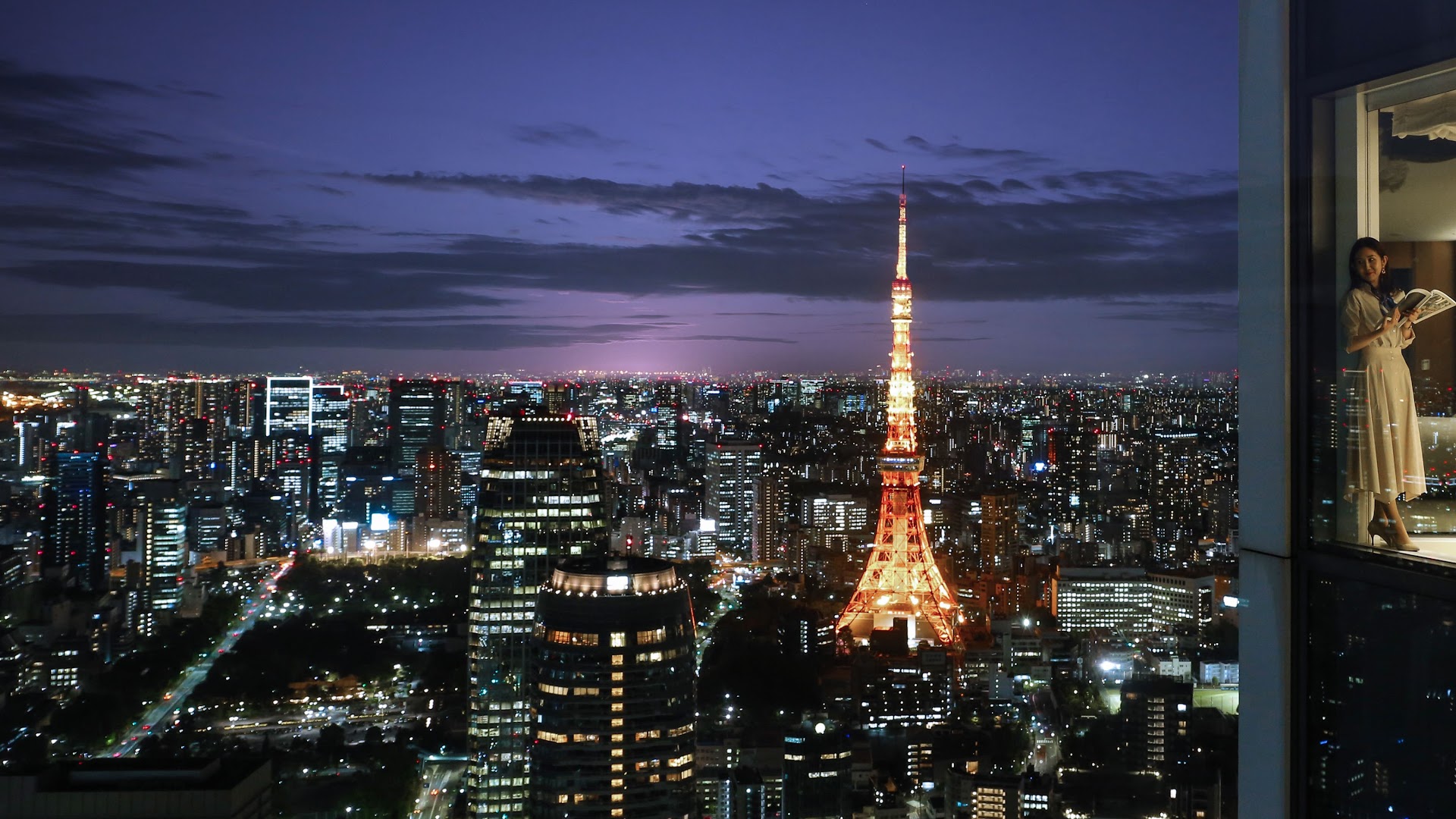
Andaz Tokyo Toranomon Hills
Toranomon, Minato-ku · 2014
Approach
Hyatt's lifestyle luxury brand arrived in Asia for the first time in Tokyo, and the choice of Toranomon Hills as its address turned out to be prescient. The district has since become one of Tokyo's most watched redevelopment zones — a neighborhood in visible transition, with new towers and a developing cultural infrastructure. The Andaz occupies the upper floors of Toranomon Hills with loft-format rooms, a lounge-style check-in, and dining that functions as a genuine neighborhood destination rather than a hotel service.
Design Note
The spatial logic throughout references residential loft design: higher ceilings, fewer walls, materials that suggest permanence rather than hotel neutrality. Japanese craft elements — shoji-influenced screens, locally sourced materials — are integrated without being applied as decoration.
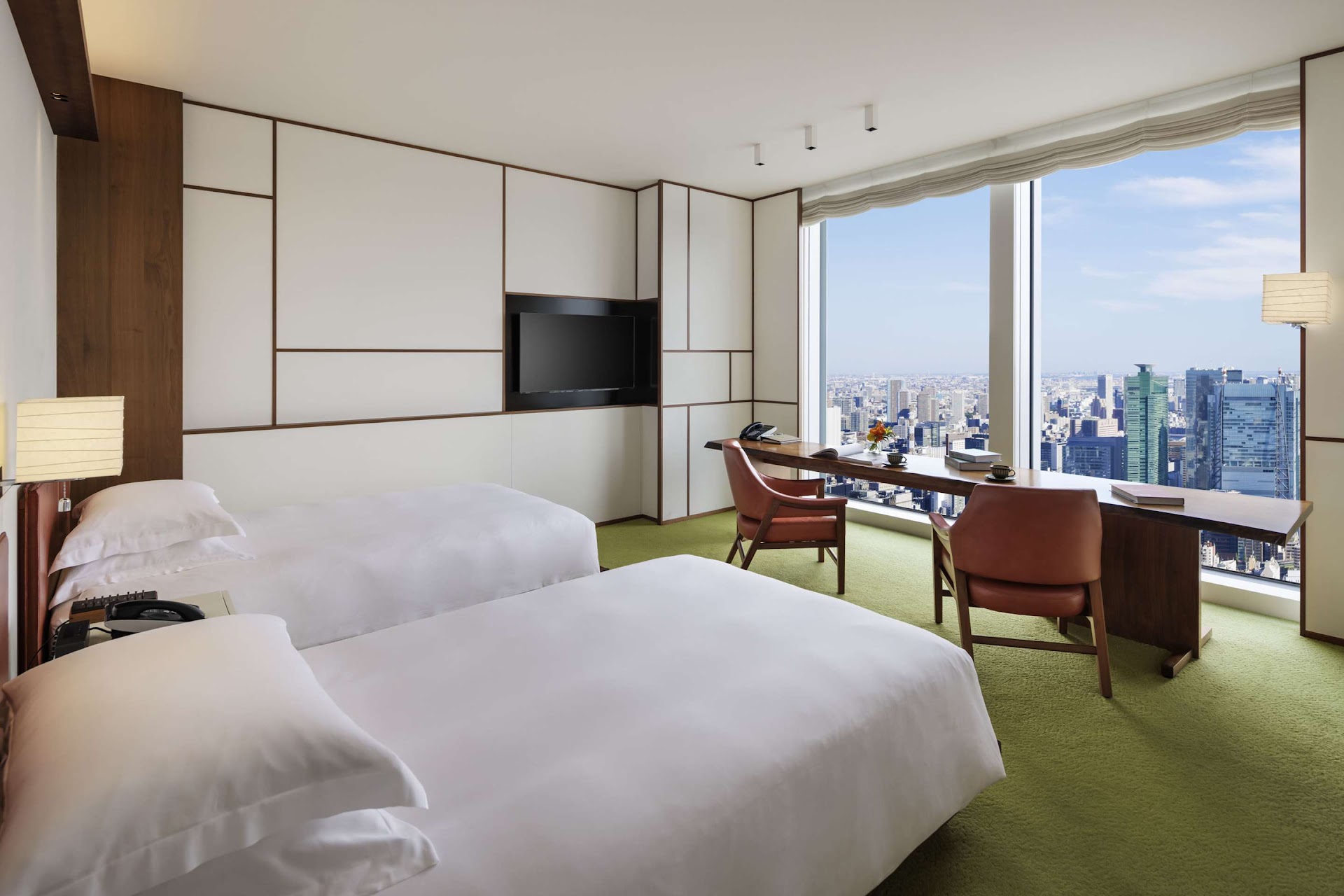
K5
Kayabacho, Nihonbashi · 2020
Approach
A 1923 brick bank building in Kayabacho, a district whose pre-war financial character is still legible in the architecture if not the function. K5 opened in 2020 with 20 rooms and a ground-floor program — bar, coffee roaster, restaurant, sauna — that operates independently of the accommodation and gives the building a life of its own beyond hospitality hours. The Swedish design sensibility that informs the project sits naturally against the building's materiality: both value honesty and clarity over ornament.
Design Note
The preservation of the original brick exterior and industrial timber floors is the primary design statement. Interventions are additions rather than transformations, maintaining the building's historical character while making it functionally contemporary. The sauna distinguishes K5 from comparable boutiques — a wellness amenity that reflects the Scandinavian-Japanese crossover of the project.
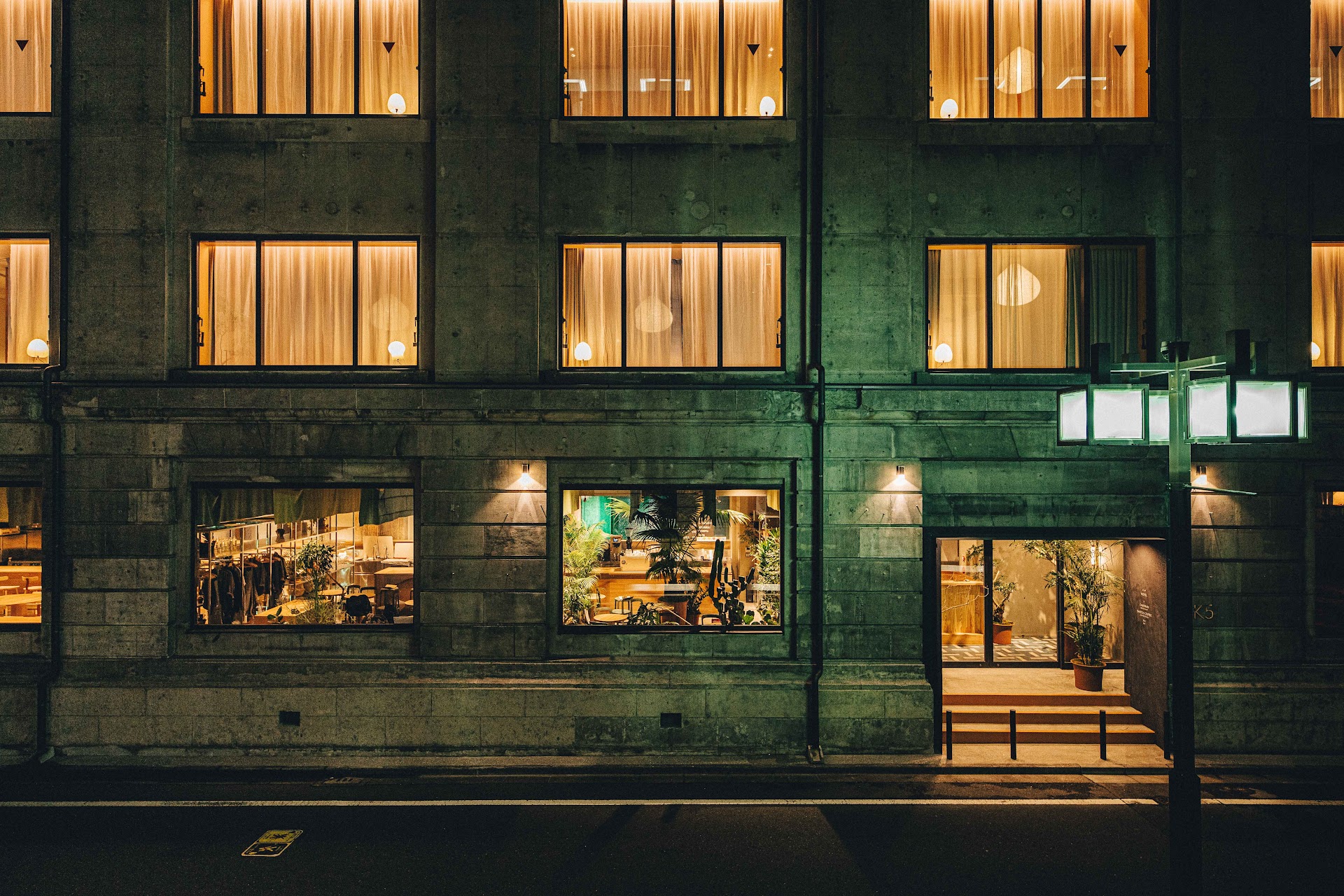
Bvlgari Hotel Tokyo
Yaesu, Chuo-ku · 2023
Approach
Bvlgari arrived in Tokyo in 2023 on the upper floors of Tokyo Midtown Yaesu, adjacent to Tokyo Station — one of the city's most significant transit hubs. The hotel makes no concession to local convention: it arrives with a fully formed Italian luxury identity and applies it without apology. This is not a weakness. In a city with as many excellent hotels as Tokyo, a property that commits entirely to a different cultural register provides a distinctive alternative. The Roman luxury vocabulary — marble, warm metal, jewel tones — is executed with the material precision the brand's jewelry background demands.
Design Note
Il Ristorante — Niko Romito, the brand's signature dining concept from the three-Michelin-starred chef, is the clearest expression of the hotel's ambition. The menu is a culinary statement rather than a hotel restaurant adaptation, holding its own within Tokyo's exceptional food landscape without attempting to become Japanese.
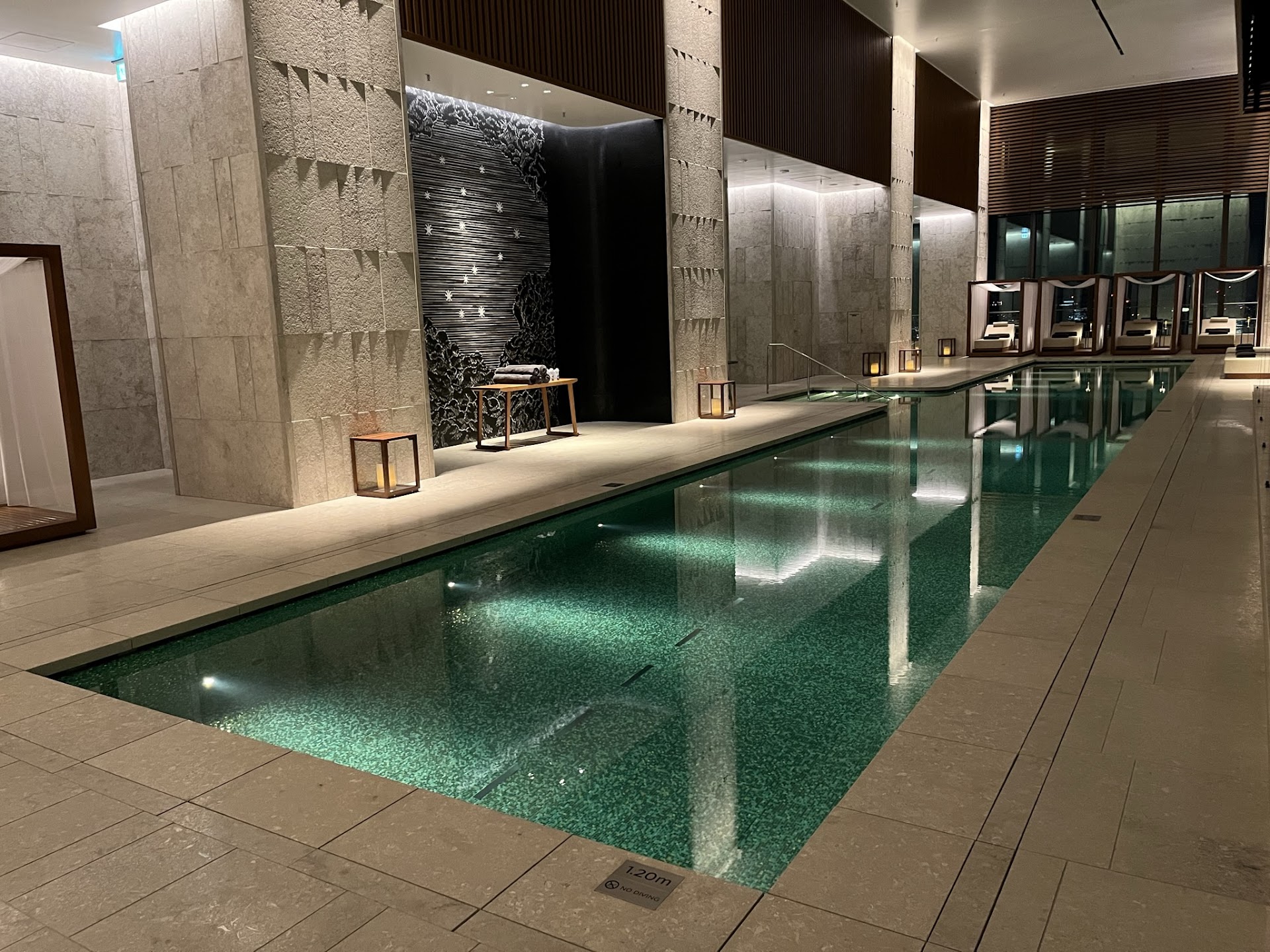
Bellustar Tokyo
Kabukicho, Shinjuku · 2023
Approach
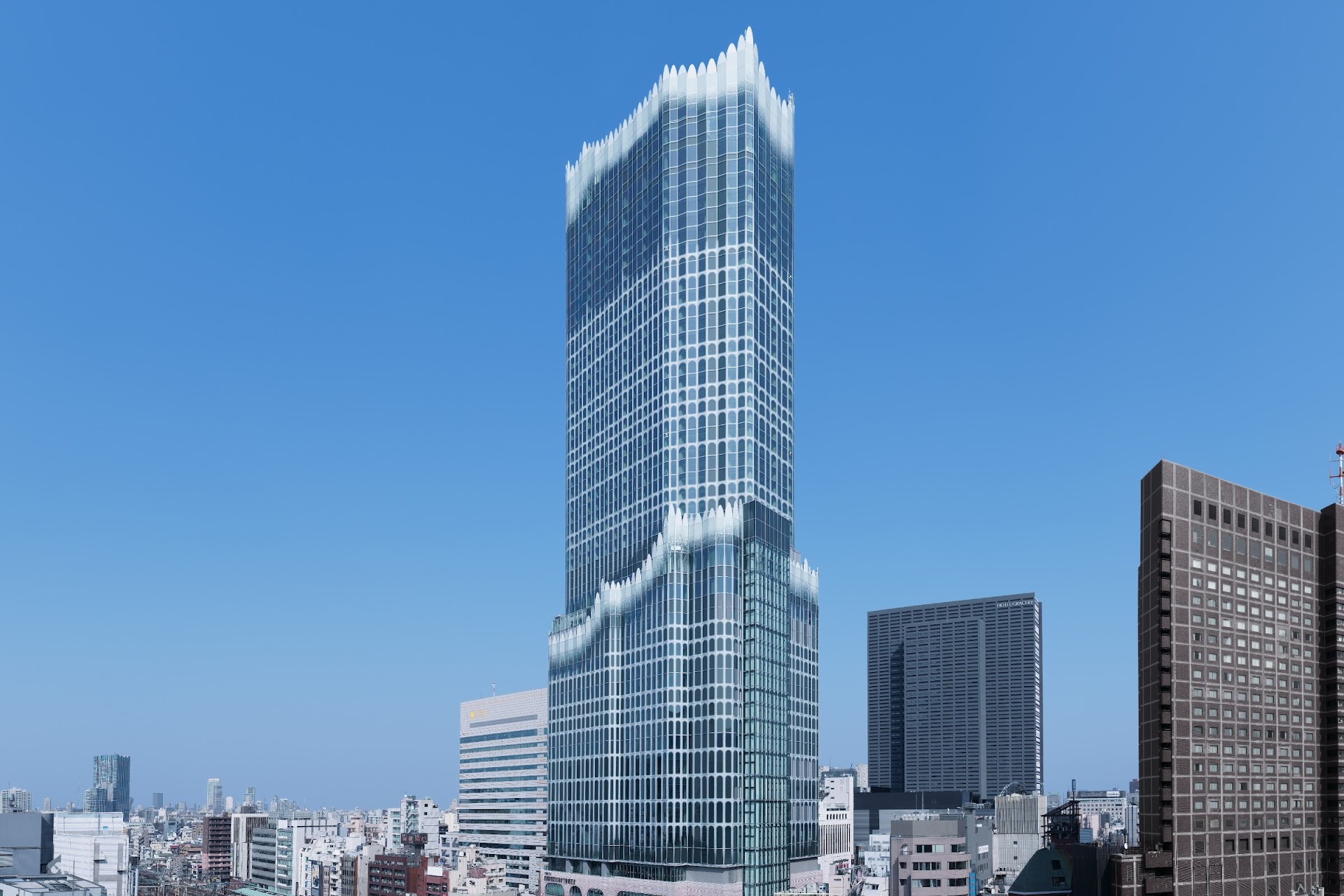
Pan Pacific's flagship Tokyo property, opened in 2023 in the TOKYU KABUKICHO TOWER above Shinjuku's entertainment district. The proposition is vertical distance: at this altitude, Kabukicho's street-level intensity transforms into spectacle — the neon grids, the layered towers, the westward sprawl toward the Tama hills — observable at the scale the city deserves. For travelers whose image of Tokyo was formed by the city's cinematic reputation, this is the most honest version of that image.
Design Note
The tower's position above Kabukicho means that the design cannot ignore its context. The result is a hotel that leans into its setting — Tokyo as urban phenomenon — rather than retreating from it. Panoramic views are not incidental to the experience; they are the primary architectural argument.
Trunk Hotel Yoyogi Park
Tomigaya, Shibuya
Approach
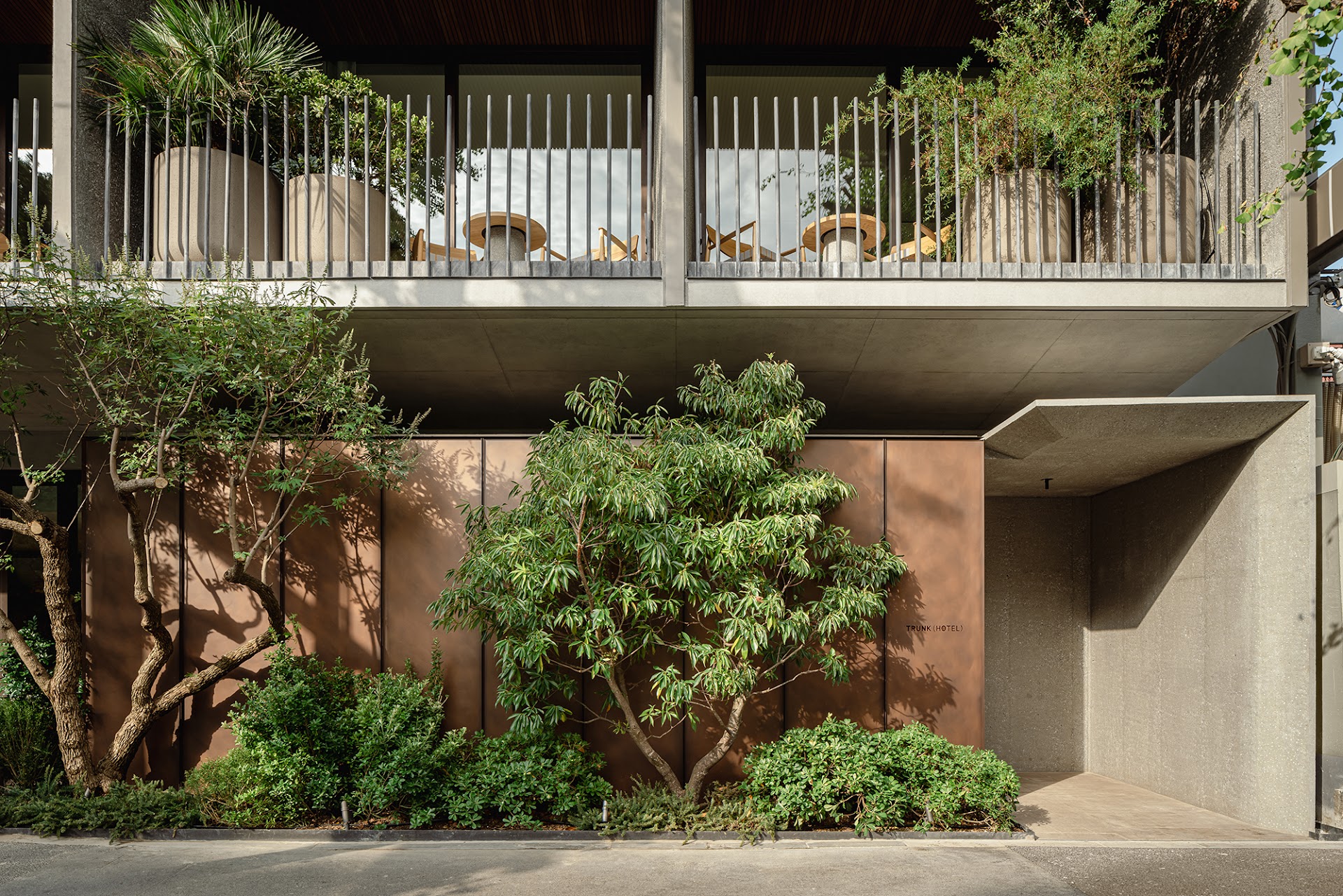
Tomigaya — the district between Yoyogi Park and Daikanyama — is one of the quieter arguments for why Tokyo's creative culture cannot be reduced to its most visible neighborhoods. Small independent coffee shops, natural wine bars, concept stores: the area has developed organically, and Trunk Hotel's 'social-ing' concept was designed to be part of that life rather than adjacent to it. Public spaces are programmed for neighborhood residents and hotel guests alike, creating a social environment that is genuinely mixed rather than hotel-exclusive.
Design Note
The adjacency to Yoyogi Park is as significant as the interior design. The park provides a different order of Tokyo experience — public, unscheduled, democratic in the way that large urban green spaces are when a city allows them to be used freely. Few hotel locations in Tokyo combine neighborhood character and park access at this quality.
Our View
How we think about it
Tokyo's design hotel landscape has shifted from the central luxury addresses — Marunouchi, Roppongi — toward neighborhoods that offer character as well as convenience. Toranomon, Kayabacho, Tomigaya: these are districts with their own identities, and the best hotels here are inseparable from them.
The most interesting design properties in Tokyo tend to be small: K5 at 20 rooms, the Trunk at a neighborhood scale, the Andaz at a human proportion within its tower. Size is not a design virtue in itself, but the decision to limit rooms is often an indicator of an editorial sensibility that extends to other aspects of the experience.
Tokyo hotels built on a design identity — as opposed to a brand standard — tend to age better and attract more interesting guests. The buildings that were doing something genuinely original in 2014 or 2020 remain relevant; the ones that assembled design trends of their moment tend to require updating.
More from the journal
All articles