Guide
Ryokan with
Private Onsen.
The private rotenburo — your own outdoor bath, your own hot spring, your own hour — is the one luxury in Japan that has no equivalent elsewhere. The shared communal bath is Japan's more famous tradition, but the private configuration is the more demanding aspiration: to arrange the mineral water, the forest, the volcanic earth, and the silence in a composition that belongs to no one else.
These are the properties where the private onsen is not a spa amenity bolted onto a hotel operation, but an expression of the property's essential character — where the water, the setting, and the architecture have been arranged with the bath at the centre of everything.
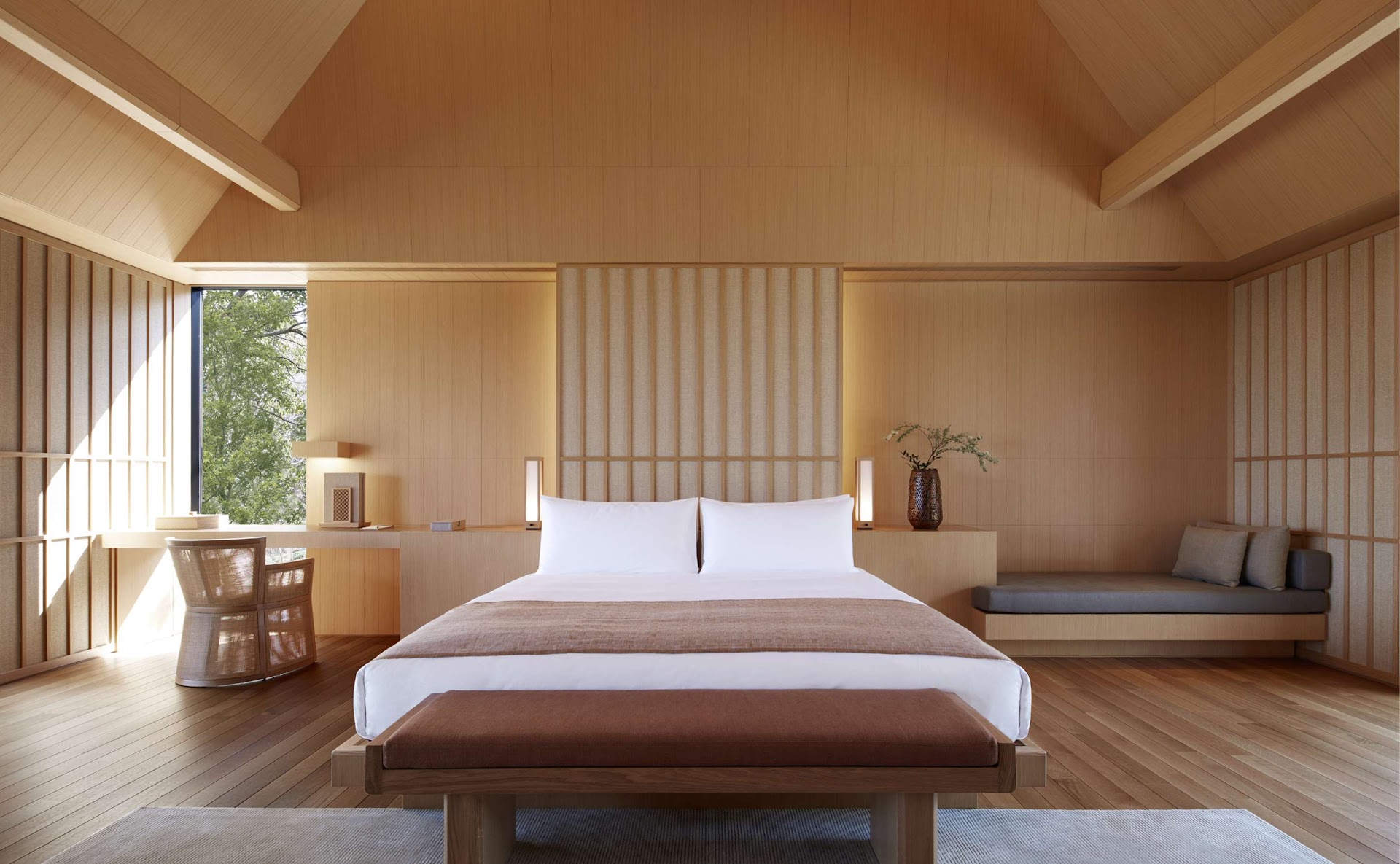
Asaba
Shuzenji, Izu Peninsula
The Waters
Natural sulfurous hot springs from the volcanic ground beneath Shuzenji. The baths are traditional in configuration — shared indoor and outdoor, timed by the rhythm of the inn rather than a clock.
Character
Asaba's private onsen are not the point; the point is the totality of the place. More than thirteen centuries of accumulated quiet, a riverside noh stage, twelve rooms, and a wabi sensibility that runs through everything from the architecture to the kaiseki table. The bathing here is one element of an experience so fully realized that it would be wrong to extract it.
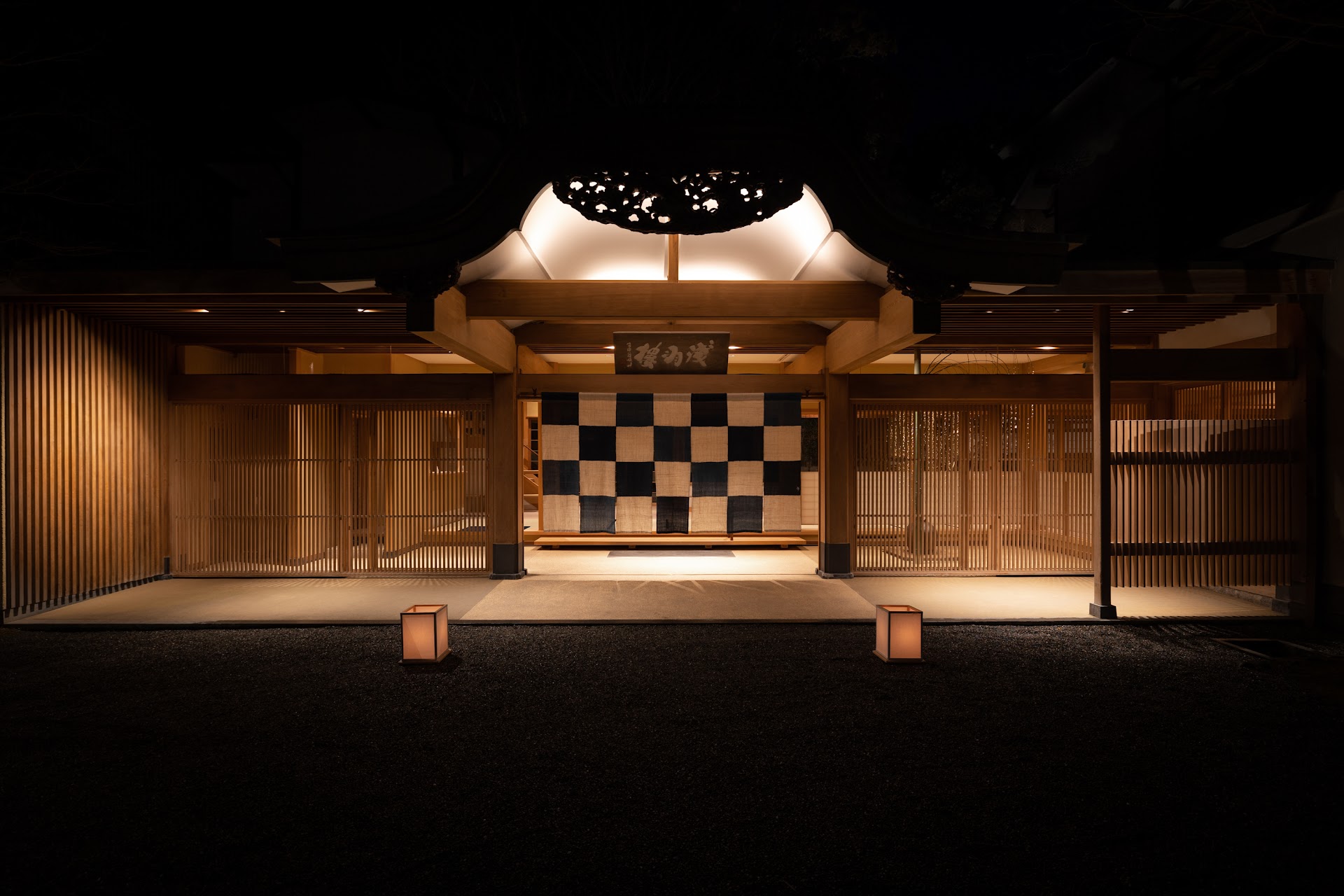
Gora Kadan
Gora, Hakone
The Waters
Sulfurous white water from Hakone's volcanic sources. Select rooms and suites include private outdoor rotenburo fed by the same natural springs as the shared facilities.
Character
Built in 1937 as a summer villa for Prince Nashimoto of the Japanese imperial family and converted into a ryokan in 1952. The Hakone setting — volcanic, forested, fog-prone — provides the elemental backdrop that onsen culture requires. Rooms with private outdoor baths allow guests to take the waters at their own pace, against a garden composed over decades with exactly this use in mind.
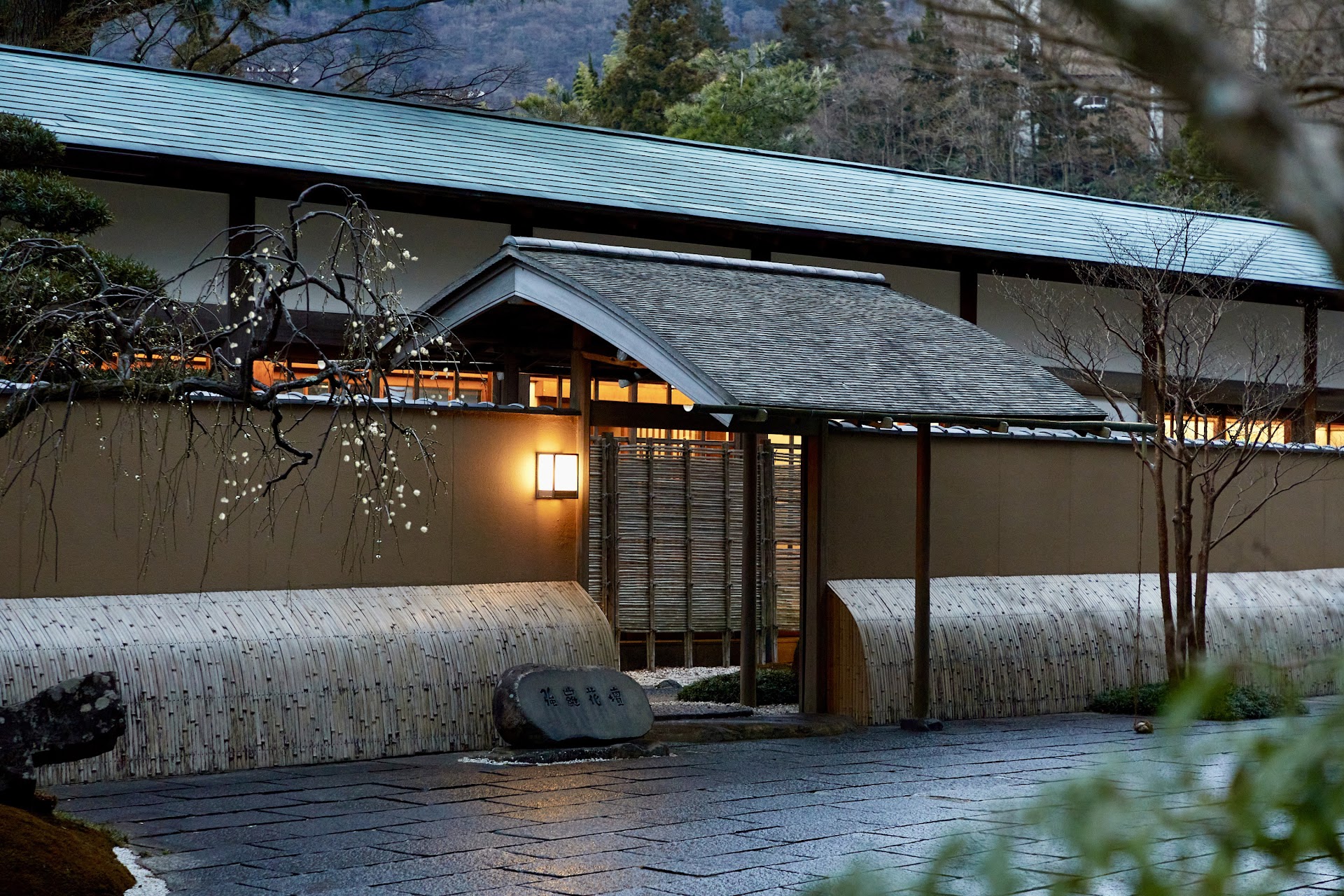
Amanemu
Ise-Shima, Mie Prefecture
The Waters
Every villa includes a private outdoor onsen bath fed by the resort's natural thermal springs. The water reaches each guest in complete privacy — no shared facilities required.
Character
Aman's only onsen-dedicated resort in Japan, situated in Ise-Shima National Park within meaningful proximity to the Ise Grand Shrines. The sukiya-style architecture and the thermal waters together create conditions for the kind of extended rest that a destination of this seriousness demands. The significance of the location — sacred landscape, ancient coast, volcanic geology — is inseparable from the experience of bathing here.
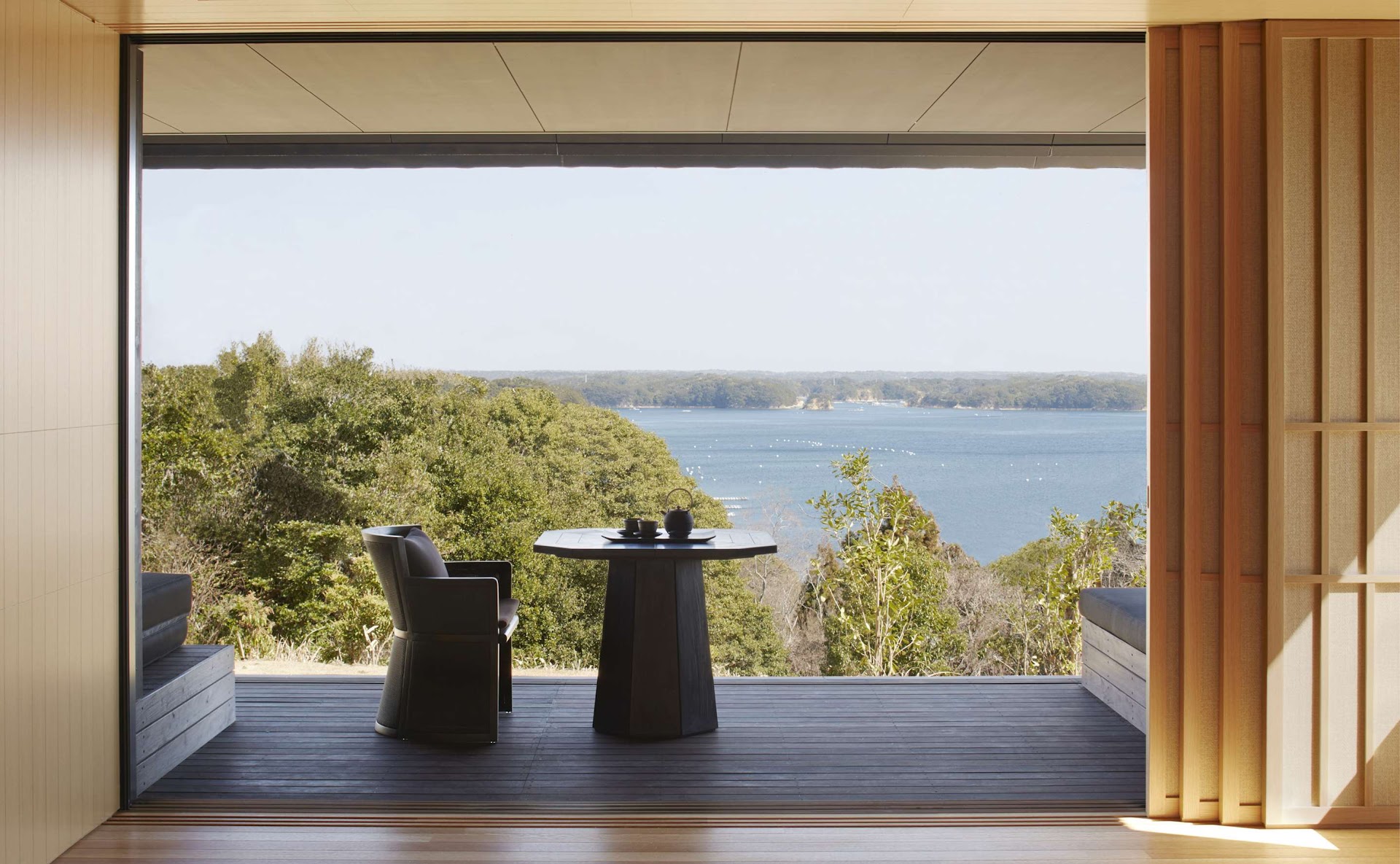
Zaborin
Hanazono, Niseko, Hokkaido
The Waters
Every room includes both private indoor and outdoor onsen baths. Natural hot spring water. Complete privacy at all hours — no communal bathing required at any point in the stay.
Character
Zaborin is the most uncompromising answer to the question of private onsen in Japan. All fifteen rooms come with both configurations of bath; the outdoor rotenburo opens directly into birch and fir forest, often snow-heavy in winter. The property removes any reason to leave the room if what you came for is the water, the forest, and the silence. The access to Hanazono's ski terrain is an additional dimension, not a prerequisite.
Terminology
Understanding what you're booking
An outdoor bath. The term describes any open-air onsen facility, whether communal or private. The experience of soaking outdoors — in cold air, under snow, beneath a forest canopy — is considered the peak of onsen culture.
A private bath reserved for the exclusive use of a single room or party, as distinct from the shared facilities (otakariba) that most ryokan operate. Premium ryokan offer uchiyu either as part of room booking or by reservation.
A private reserved bath — communal facilities blocked out for exclusive use during a fixed time slot. Common at ryokan where full private baths are not part of every room, but where privacy remains an option.
Hot spring water flowing directly from the source without recirculation, dilution, or reheating. The mark of a serious onsen establishment. The mineral composition, temperature, and therapeutic quality are preserved in their natural state.
More from the journal
All articles